In the quiet morning of Ambon city, a melodic harmony fills the air. Rhythmic beats blend seamlessly with enchanting tunes, creating a mesmerizing soundscape. This beautiful music originates from a traditional Maluku ensemble known as Tifa Totobuang.
The Origins of Tifa Totobuang
Tifa Totobuang is a fusion of two traditional Maluku instruments: tifa and totobuang. Each instrument has its own function, but together they create a distinctive and captivating sound. Their existence has been documented as early as the 18th century in Oud en Nieuw Oost-Indien, a book by Francois Valentijn.
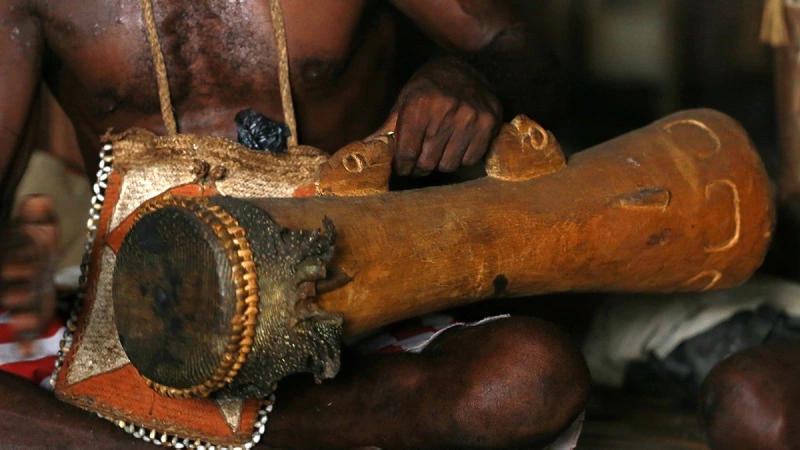
Tifa: The Rhythmic Soul of Maluku
Tifa is a traditional percussion instrument found in Maluku and Papua. According to Margaret J. Kartomi in Journal of Southeast Asian Studies (1994), tifa is known by different names across Maluku, such as tihato, tihal, tibal, and titir. Typically cylindrical in shape, tifa is crafted from wood, bound with rattan, and covered with goat or deer skin for the drumhead.
Tifa is played using either a wooden mallet made from gaba-gaba (sago palm fronds) or with bare hands. Historically, it served not only as a musical instrument but also as a communication tool. It was used to summon villagers to traditional houses (baileo), announce deaths, and encourage rowers during traditional canoe races (belang).
There are several types of tifa, each with a unique role:
- Tifa jekir and tifa dasar
- Tifa potong and tifa jekir potong
- Tifa bas, often played alongside Totobuang
Totobuang: The Melodic Gamelan of Maluku
Totobuang is a melodic percussion instrument similar to the Javanese gamelan. The name “totobuang” derives from the Javanese word “tabuh,” meaning “to strike” or “to play gamelan.” It was introduced to Maluku in the 15th century alongside the spread of Islam, often brought as a gift in angkat pela (inter-village brotherhood ceremonies).
Totobuang consists of several small gongs of varying sizes and pitches, typically arranged in two rows on a wooden frame. The number of gongs can range from 5 to 18. According to Christian Izaac Tamaela’s dissertation (Vrije Universiteit Amsterdam, 2015), Christian villages in Maluku commonly use 12 or 14 gongs, whereas Muslim villages generally use 5, 6, or 9 gongs.
Over time, totobuang has evolved beyond its traditional bronze material. Today, it can also be made from wood or even repurposed materials like sardine cans or old gas lamp tubes, making it more accessible to local communities.
Tifa Totobuang: A Symbol of Cultural Harmony
Though tifa and totobuang are separate instruments, they are often played together in traditional ceremonies, entertainment events, and welcoming rituals. This combination creates a lively, rhythmic, and melodious performance, making them inseparable in the minds of the local people.
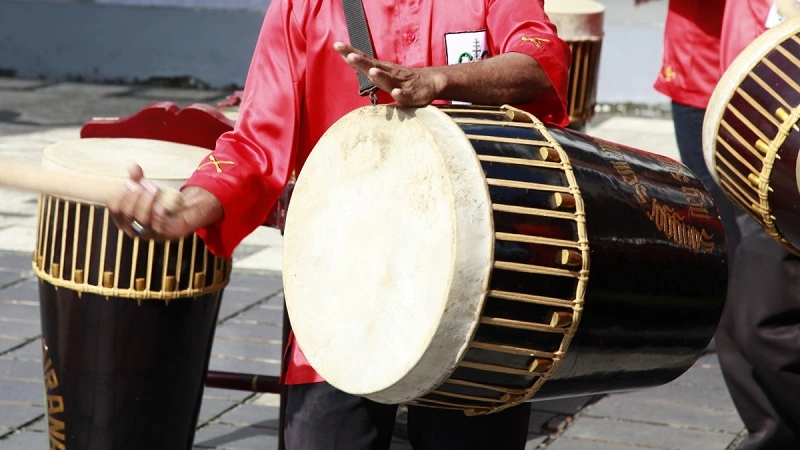
Following the Ambon conflict in the early 2000s, Tifa Totobuang began to be paired with Islamic and Malay arts, such as the Sawat dance. According to Jacky Manuputty in Carita Orang Basudara: Stories of Peace from Maluku, this fusion has become a symbol of unity and peace, reflecting Maluku’s multicultural society.
Conclusion
Tifa Totobuang is more than just a musical ensemble; it is a cultural heritage that embodies the harmony and diversity of Maluku. Its rhythmic beats and melodic tones carry deep historical and social significance. By preserving Tifa Totobuang, we ensure that Maluku’s rich traditions continue to resonate for generations to come.
Visit too Hello Indonesia Media Group Sites https://balitraveldiary.com/